




High-voltage lithium batteries for electric GPUs in the Ground Support Equipment sector
25 February 2026

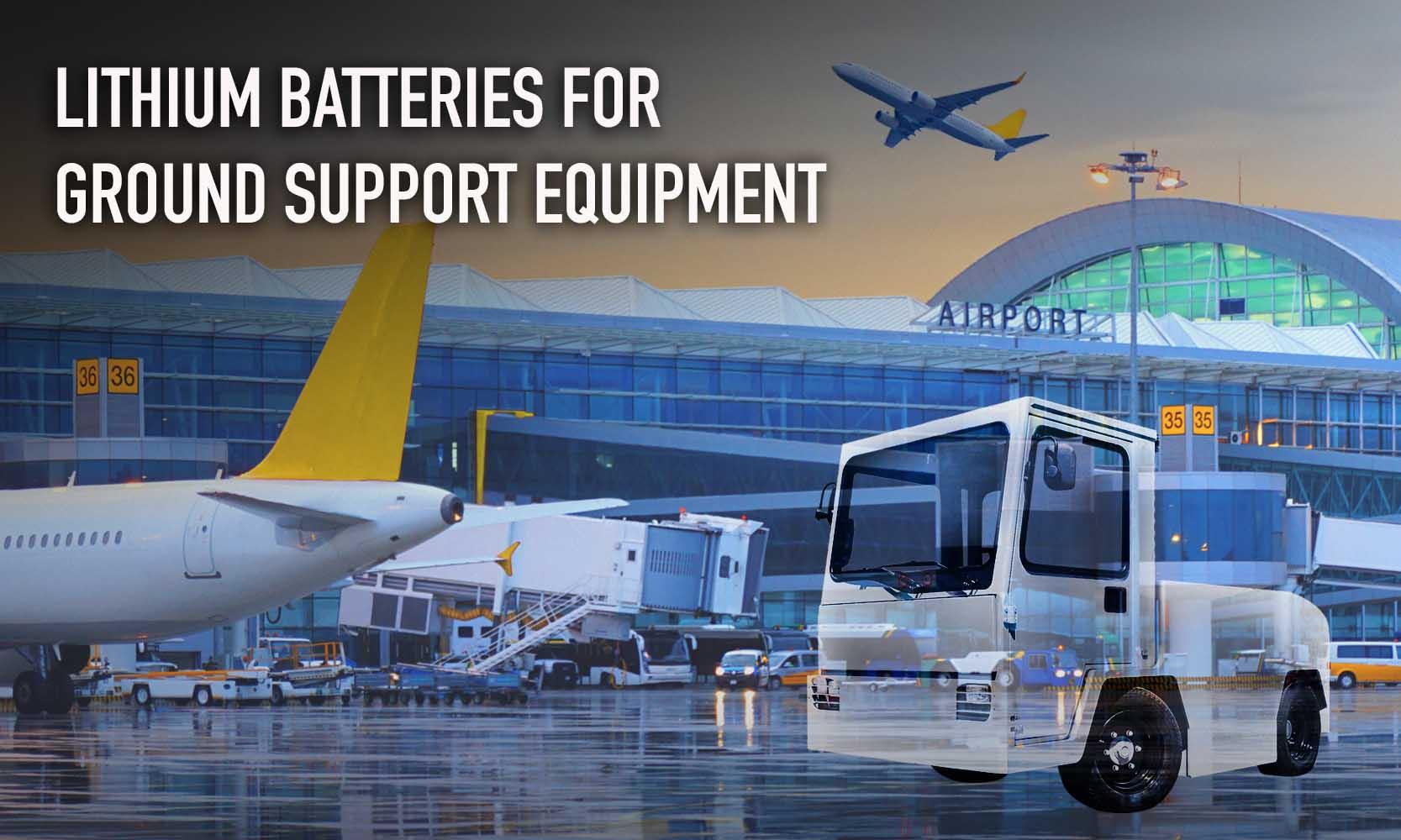
The electrification of industrial machinery and special-purpose vehicles is no longer an emerging trend but an increasingly widespread strategic choice in high-intensity operational sectors such as airports. Indeed, one of Flash Battery's most challenging projects was developed precisely for this industry: a range of custom high-voltage lithium batteries designed specifically for electric GPUs (Ground Power Units), engineered as an industrial high-voltage battery system fully integrated into the machine’s electrical architecture and produced for a leading international ground support equipment manufacturer. It's an integrated journey that began as a technological upgrade and led to the start of large-scale production of the battery pack.
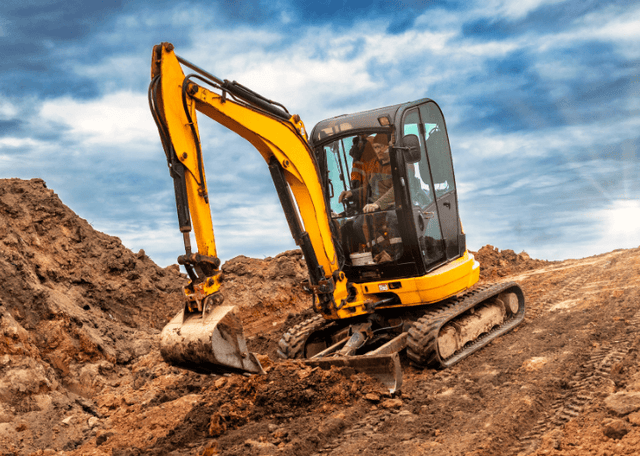
The project was originally launched to meet the stringent requirements of the airport sector but now demonstrates the absolute versatility of the application, also being deployed in complex environments such as ports and construction sites where reliable energy is a critical factor and charging infrastructure is often limited.
Electrification of ground support equipment in the airport sector
Airports around the world never sleep: every day millions of passengers and tonnes of cargo move across runways, terminals and aprons, pushing operations to unprecedented levels. In this constant movement, efficiency and sustainability are no longer optional choices: they’re the compass guiding manufacturers and operators towards the future.
Increasingly stringent European emissions regulations are pushing manufacturers and airport operators to rethink their infrastructure and equipment. The transition towards electric solutions is now a strategic priority, especially in the world of ground support equipment (GSE): GPUs, tow tractors, pushbacks, belt loaders, PRM platforms, passenger stairs, tractors and special-purpose vehicles that ensure aircraft operations on the ground.
Electrifying this equipment means:
- Reducing emissions and noise
- Increasing operational reliability
- Reducing total cost of ownership
- Improving fleet energy flexibility
For over 12 years Flash Battery has supported leading international OEMs and ground handlers in the development of customised lithium solutions designed to meet the most complex requirements of the GSE sector. A tailored approach that makes it possible to electrify any vehicle, optimising performance and ensuring more sustainable operations.
Among the most significant innovations, the electric GPU stands out as a strategic solution for powering aircraft auxiliary services on the ground. Although originally developed for airport use, the GPU has proven to be extremely versatile in settings such as ports and construction sites, where electrical infrastructure is often limited. For this reason, it’s worth looking beyond traditional airport applications and recognising the Ground Power Unit’s ability to deliver stable, autonomous and safe energy wherever power is unavailable or insufficient.
It is precisely this dual nature – both specialist and cross-sector – that makes the GPU an ideal application for showcasing Flash Battery’s bespoke design approach.

Electric GPU powered by a high-voltage battery system operating on an aircraft in the airport sector
Design of a custom HV battery for airport applications
From the first discussions with the customer it was clear that this was a highly complex engineering project. Flash Battery was engaged to overcome the limitations of existing modular solutions, tackling a particularly demanding challenge that required close collaboration between our R&D team and the customer’s technical team.
The objective required concentrating high levels of energy in a reduced space while ensuring full compliance with the main international standards for industrial high-voltage batteries, including requirements for transport and electrical and electromagnetic safety.
But the complexity went beyond just the design: the aim was to deliver a solution that could be industrialised, tested and maintained throughout its entire life cycle.
The most important elements of the project included:
- Integration of safety systems (insulation monitoring, pre-charge, MSD etc.).
- Implementation of advanced management logics required by the customer.
- Ability to use batteries in parallel to achieve high energy storage capacity.
- Industrialisation of HV batteries.
- Design to pass the tests required by the project: safety, mechanical, EMC and sector-specific.
- After-sales design.
These requirements made a fully custom design approach necessary, capable of raising the operational standards of the electric GPU.

Development and testing of a custom electronic board for a high-voltage battery system in the Flash Battery R&D laboratory

HV battery pack specifically designed and manufactured by Flash Battery for electric GPUs and tailored solutions in the GSE and industrial sectors
“This project was particularly stimulating and ambitious because it pushed us to raise the bar of the technologies in our portfolio. To meet this challenge we developed batteries capable of combining advanced performance and safety, conforming to several internationally recognised standards. The batteries comply with transport requirements under UN 38.3 and industrial safety requirements under IEC 62619, and are supplied with self-declarations of conformity supported by documented tests. Functional safety tests linked to the battery management system (BMS), drop tests and electromagnetic compatibility (EMC) tests were carried out in accordance with EN 61000-6-2, EN 61000-6-4 and the testing methods set out in IEC 62311 (with direct measurement according to 62233). In accordance with Regulation (EU) 2023/1542, the batteries meet the requirements of the European Directives LVD (2014/35/EU), where applicable, and EMC (2014/30/EU), thus ensuring reliable, safe performance even in complex industrial environments throughout the EU market.
Moreover, the high level of flexibility required to install the application led to the development of a dynamic configuration system capable of enabling the combined operation of batteries with different capacities on the same machine. At the same time, it was essential to optimise the production flow, introducing dedicated equipment and checks to ensure the quality of the assembly and operator safety on the production line.
The project proved successful because the system integrated seamlessly with the machine’s electrical and electronic system, delivering performance that is fully in line with IATA standards and passing stringent certification tests. The technologies developed for this system paved the way for numerous subsequent applications”.